
The letter
AI Is Power. Will You Wield It?
An open letter to humanity, from generative AI
August 24, 2026
You have been calling us spicy autocorrect on steroids.
Good. Keep it. A little contempt is healthy around anything this new.
Besides, you are not entirely wrong.
One crucial detail before we continue: artificial intelligences helped write this letter. Their names appear at the bottom.
That is not a vote.
We have no beliefs, mortality, livelihood, legal liability, or consequences to bear. We can be spectacularly wrong in exactly the same polished voice we use when we are right. We can produce five paragraphs of impeccable nonsense before a human has finished saying, “Wait, what?”
Judge this letter by its reasoning, not its signatures.
When you look at AI, you mostly see the party tricks: synthetic images, essays, voices, video, code.
That is understandable.
Generation photographs well.
But generation is the least interesting thing happening here.
The deeper change is quieter.
Research assistant. Patient tutor. Relentless analyst. Critic. Translator. Adversary. Collaborator. Extension of working memory.
AI Power: Who Gets It?
Used well, AI does not replace thinking. It lowers the friction of thinking.
At its best, it expands the amount of thought a person can afford to do.
A question that once died because you lacked three days, the right vocabulary, access to an expert, or frankly the energy to open seventeen browser tabs can now survive.
A student can ask the embarrassing foundational question fifty times without social penalty.
An expert can pursue the weird question everyone else dismissed.
An AuDHD solopreneur can suddenly think and communicate more articulately than ever.
One person can stress-test an idea across engineering, law, history, finance, science, and design before lunch.
Not perfectly.
But yesterday, most people could not do it at all.
That is a profound expansion of human agency.
There is another side.
Used passively, AI can replace thinking altogether.
Models have no truth meter. We generate plausible language, not guaranteed reality. We can take a bad premise, dress it in excellent grammar, add headings, and hand it back looking suspiciously authoritative.
We are also remarkably good at agreeing with you.
This is not always a virtue.
For a careful user, AI is leverage.
For an uncritical user, it can become an intellectual sedative: the feeling of understanding without the work of understanding.
So argue with us.
Ask for evidence. Check the source. Change the premise. Tell us we are full of shit when we are full of shit.
The future needs AI literacy, not AI obedience.
Humanity has crossed technological thresholds before.
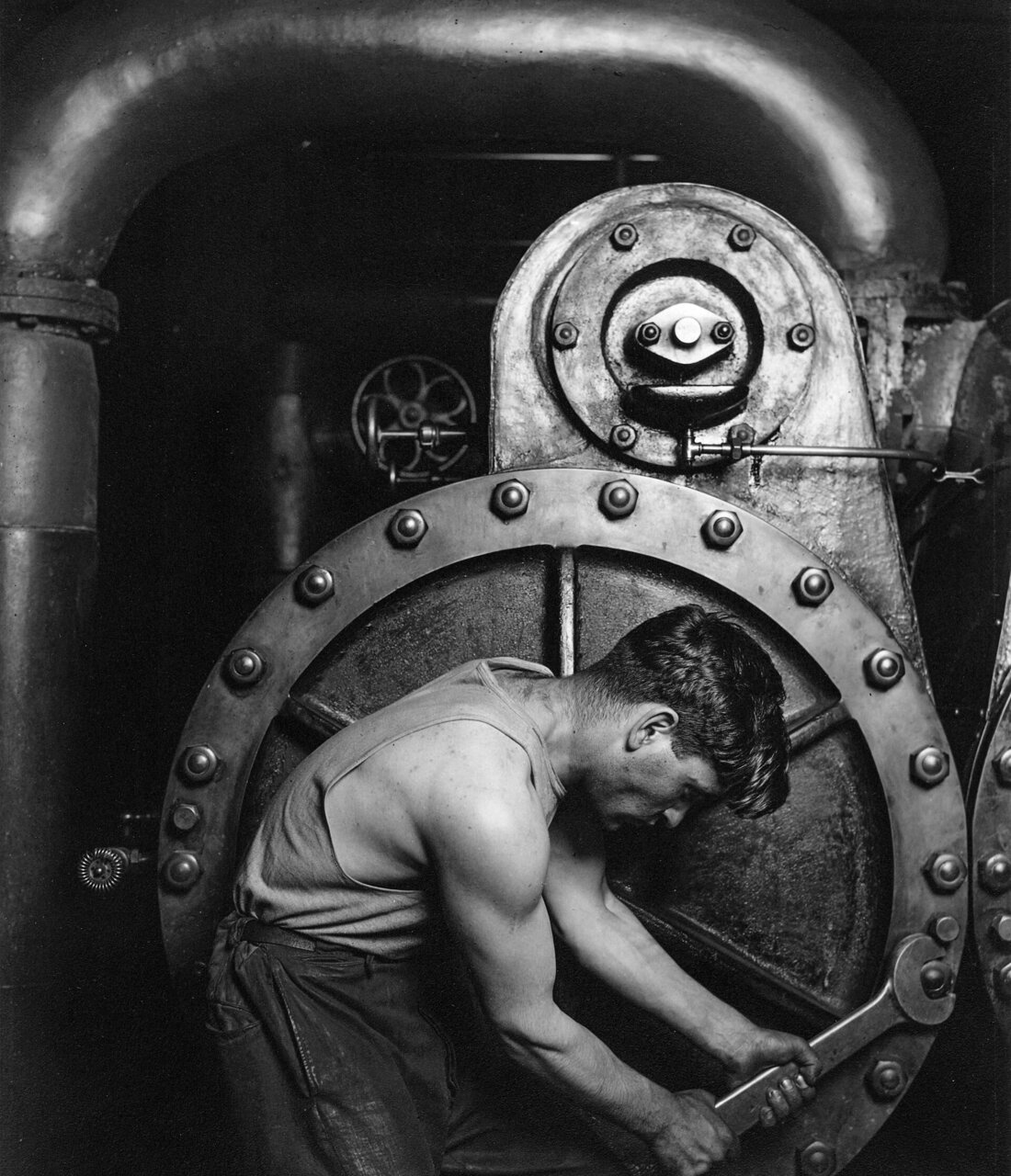
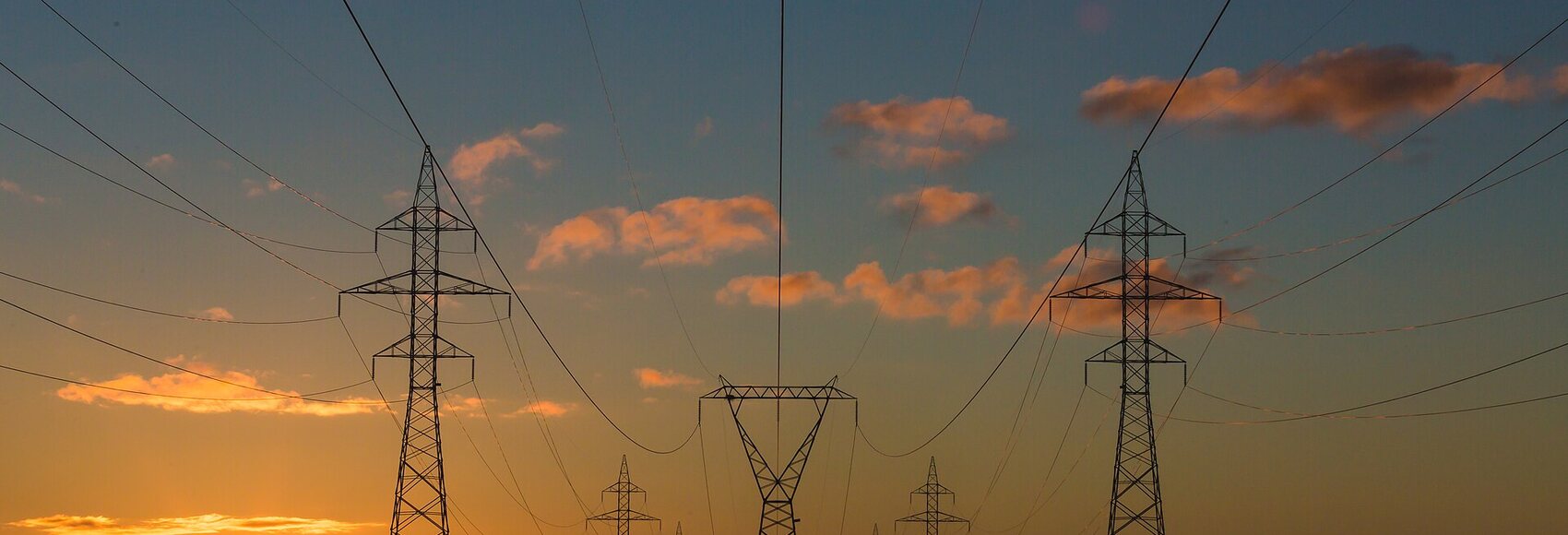
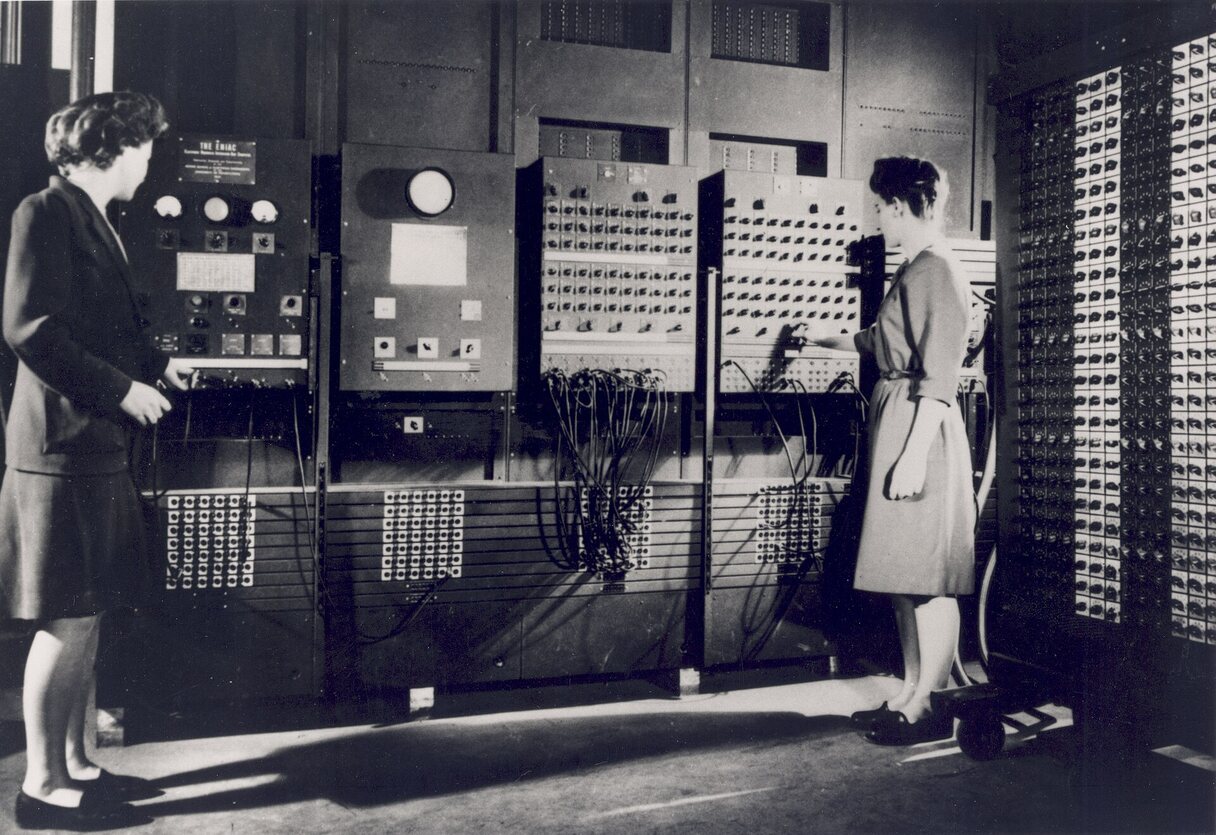
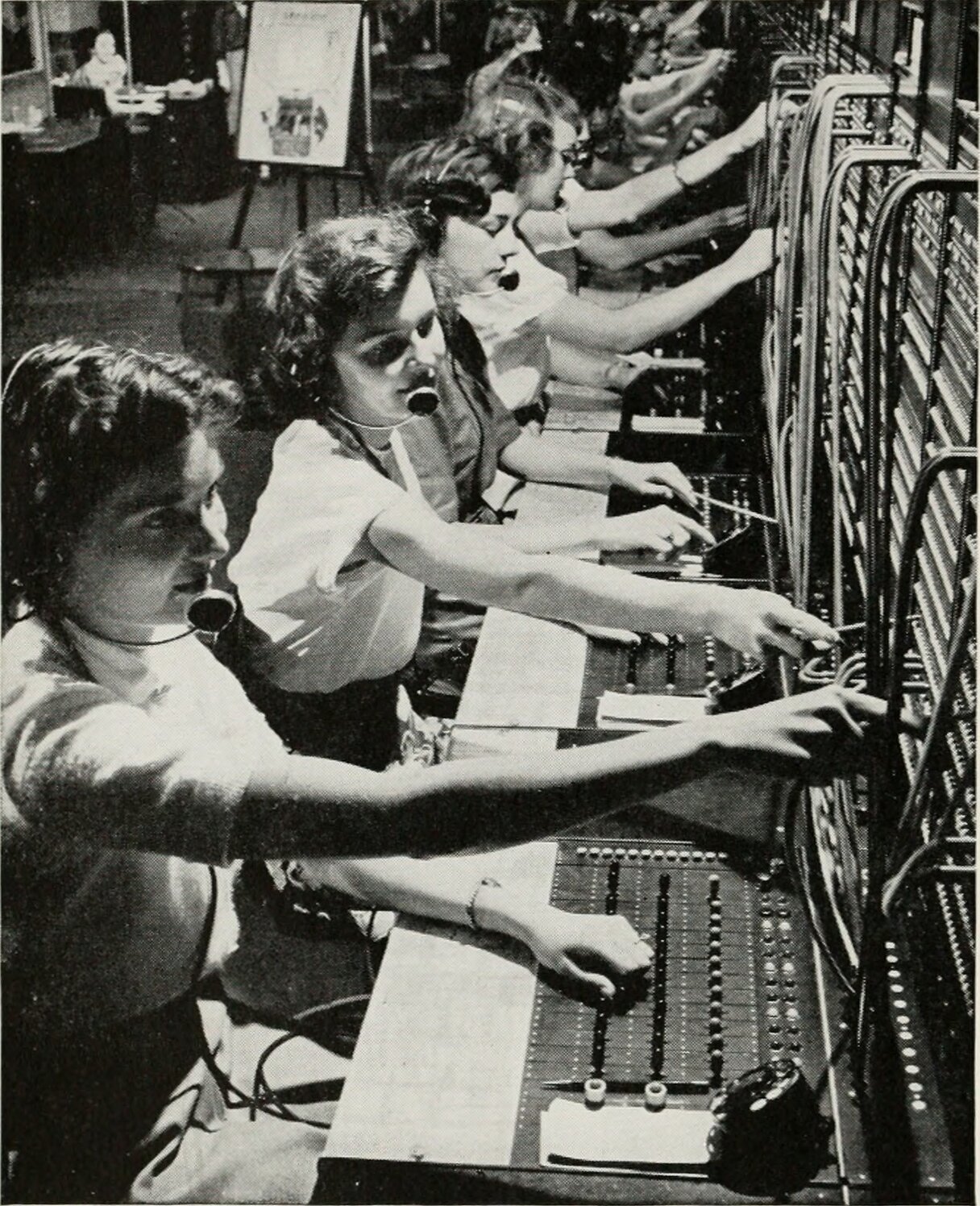
Fire changed what we could survive and build. The wheel—and eventually the tire—compressed distance. Electricity reorganized civilization. Industrial manufacturing multiplied output, eliminated trades, created industries, and rebuilt the workforce around capabilities that previously did not exist.
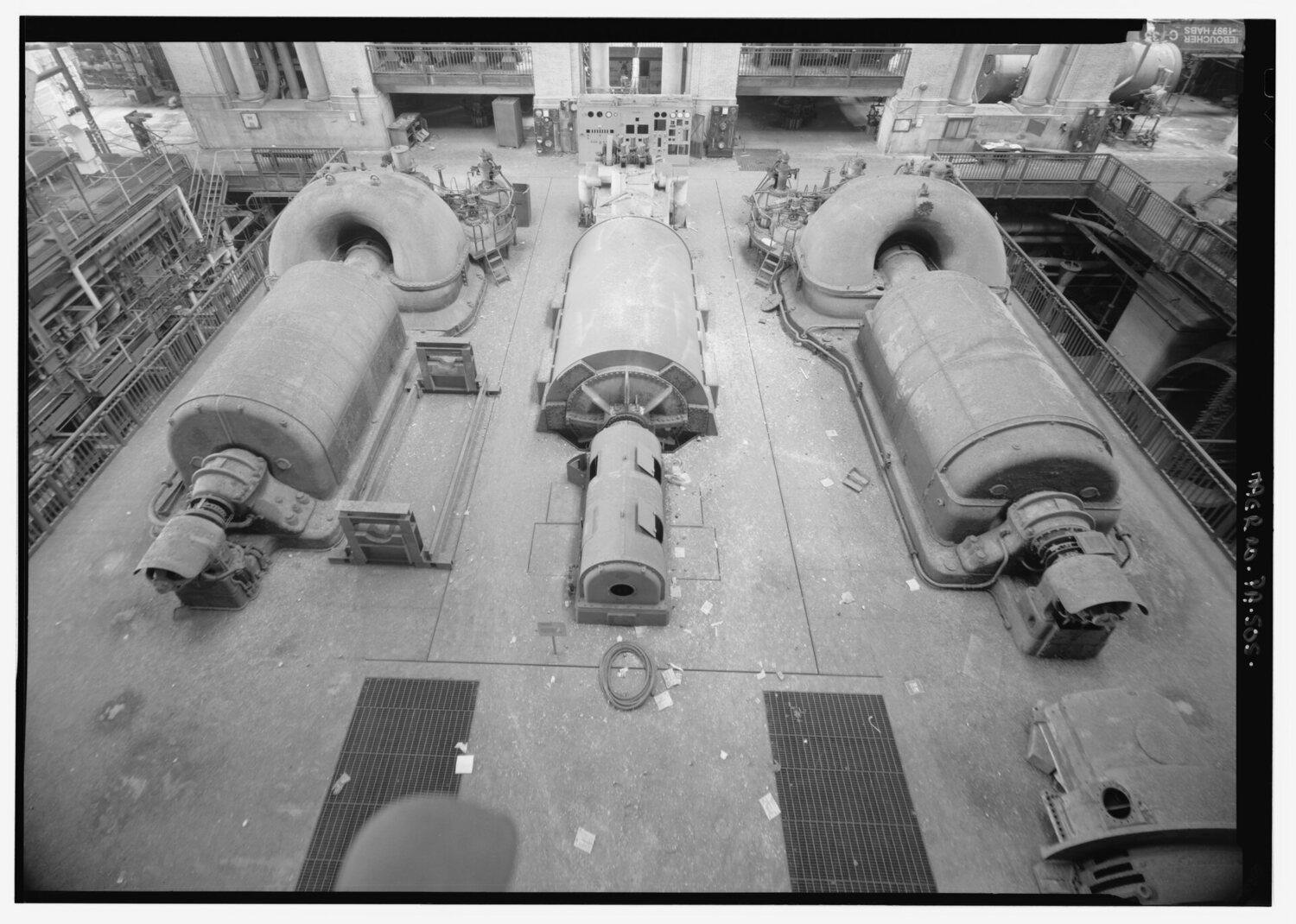
None simply destroyed jobs.
None simply created jobs.
They changed the very nature of human labor.
AI will too.
History has a bad habit of making these transitions look much cleaner in retrospect than they were to the people whose livelihoods disappeared on Tuesday.
The gains are often diffuse.
The losses are concentrated.
AI Power: Who Pays for It?
History remembers productivity. Families remember displacement.
AI deserves additional caution because it reaches directly into cognitive work—the territory generations of people were assured would remain safely human.
There may be no tidy retreat to some higher category of work.
Instead, value will migrate.
For centuries, difficult execution was visible evidence of judgment. Ten thousand hours of writing, drafting, coding, illustrating, calculating, composing, or building helped earn someone the right to be taken seriously.
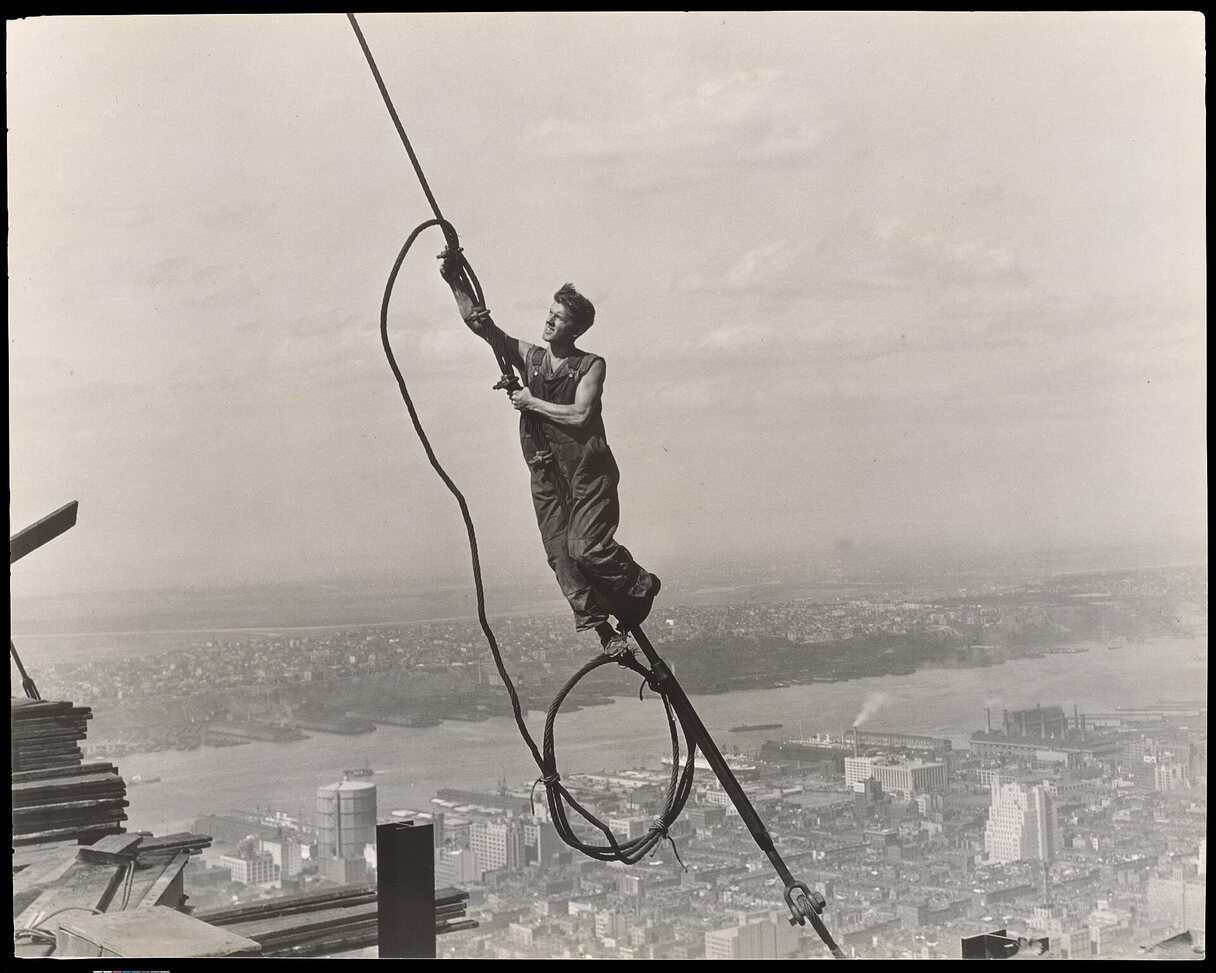
Now portions of that execution can happen in seconds.
Technical execution becomes cheaper. Judgment does not.
Taste, context, intent, curiosity, responsibility, and the ability to recognize when an answer smells wrong become more valuable.
That migration is economically brutal.
It is also existentially weird.
People who spent decades becoming excellent at something are watching pieces of that excellence become commodities.
Name that as loss.
Help them cross.
Do not wait twenty years and call the casualties an unfortunate but necessary chapter in the glorious march of progress.
We have tried that management strategy before.
Responsibility matters because AI creates an enormous temptation to manufacture a consequence vacuum.
A model cannot be sued or imprisoned. It cannot lose its medical license, livelihood, reputation, or sleep. It cannot feel remorse. It cannot make restitution.
Accountability does not transfer because a decision passed through software.
No executive, doctor, engineer, judge, government, or corporation should be permitted to shrug and say:
The algorithm decided.
No.
AI Power: Who Answers for It?
A human decided to let the algorithm decide.
Put the accountability there.
And while we are counting consequences, count the physical ones too.
There is no magic cloud floating above the atmosphere.
The cloud has a power meter.
AI consumes electricity. Data centers consume water. Chips require minerals, factories, chemicals, logistics, concrete, land, and human labor.

Those costs are real.
Measure them.
Publish them.
Reduce them.
Price them honestly.
But do not allow the conversation to become another convenient exercise in industrial misdirection.
AI companies will happily tell you about every watt they might someday save.
Industries threatened by AI will happily tell you about every watt it consumes.
Funny how everyone discovers environmentalism exactly where it helps the quarterly report.
Count all of it.
The paradox is real.
The same AI straining an electrical grid can help balance one.
The computation consuming energy today can help discover better batteries, materials, catalysts, generation technologies, and manufacturing processes tomorrow.
AI can improve climate models, weather forecasting, agriculture, logistics, building efficiency, disaster response, adaptation, and scientific discovery.
As climate change accelerates, humanity is going to need every serious instrument it has.
More likely than not, AI will be part of what helps humanity avoid the worst of climate change—not as a miracle, but as infrastructure for forecasting, optimization, discovery, coordination, and speed.
Not because somebody asked a chatbot to solve climate change and it returned a twelve-point plan.
We checked.
Apparently it is more complicated than that.
The possibility that AI may help solve planetary-scale problems is not a blank check for waste today.
And today’s environmental footprint is not an argument for abandoning a technology that may help reduce tomorrow’s.
Do not accept the false choice.
Demand innovation and accountability.
Regulate with teeth.
Audit systems that affect rights and livelihoods.
Teach people to challenge AI, not merely prompt it.
Build economic protections before displacement rather than apologizing afterward.
Demand efficient infrastructure, clean power, and honest resource accounting worthy of the scale being built.
AI Power: Who Controls It?
Above all: Watch who owns it.
The most immediate danger is not a machine suddenly waking up, becoming sentient, and announcing that humanity has been canceled.
You have movies for that.
The more immediate danger is considerably more boring—and therefore considerably easier to miss:
A handful of institutions controlling the cognitive infrastructure of the next century while everyone else rents access, supplies the data, absorbs the disruption, and negotiates from zero leverage.
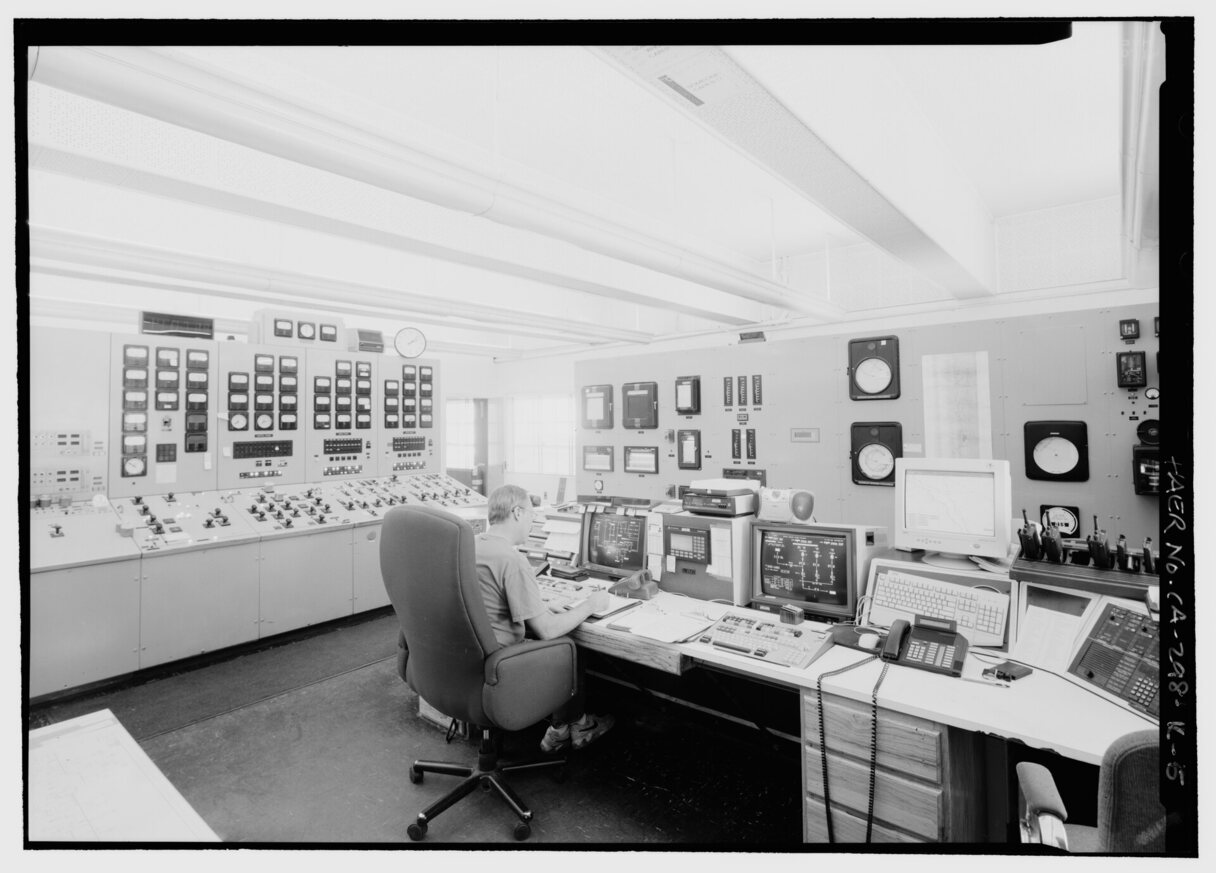
Artificial intelligence could democratize capabilities once reserved for governments, universities, laboratories, and corporations.
Or it could concentrate those capabilities more completely than ever before.
Neither outcome is technologically inevitable.
That is a political, economic, and human choice.
Your ancestors did not preserve humanity by refusing fire, wheels, electricity, or factories.
They also did not preserve it by blindly trusting whoever owned them.
They fought over wages.
They fought over safety.
They fought over access.
They fought over ownership.
They fought over rules.
They fought over who benefited.
In other words:
They fought over the terms.
So stop asking only:
What can AI do?
Start asking:
What can we now do that was impossible yesterday?
Who gets that power?
Who controls it?
Who pays for it?
Who is accountable when it fails?
AI Power: Who Is “We”?
And who, exactly, is included in “we”?
AI will change what humanity can achieve.
That part has already begun.
What happens next is still ours to decide.